
Malbec wine has reached an awkward stage in its life.
It is no longer new, no longer exotic, and no longer something people feel the need to explain. It sits comfortably on shelves, on wine lists, and in habits. And that comfort raises a quiet question.
Is Malbec still cool, or have we simply stopped paying attention?
From Discovery to Default
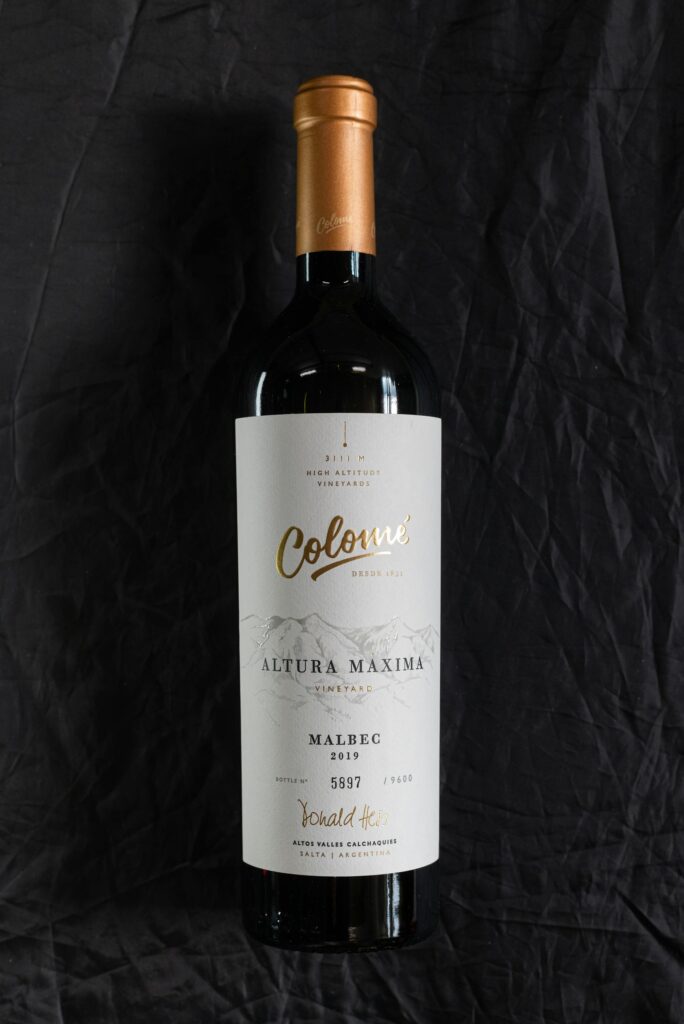
Malbec’s rise was swift and decisive. What was once a supporting grape became a headline act, driven largely by Argentina’s success in giving it clarity, ripeness and confidence.
The appeal was obvious. Generous fruit, soft tannins, and a sense of indulgence that did not require decoding. Malbec wine felt welcoming at a time when much of the wine world still felt guarded.
But popularity has consequences. As demand grew, style narrowed. Expectations hardened. Malbec became something people thought they understood.
When a wine reaches that stage, it risks becoming background noise.
Comfort Can Be the Enemy of Curiosity
There is nothing wrong with comfort. The problem is complacency.
For many drinkers, Malbec wine has become a safe choice rather than an interesting one. It is ordered without thought, poured without pause, and rarely discussed once in the glass.
That does not mean the wine itself is dull. It means the conversation around it has stalled.
Too often, Malbec is still judged by a single style. Ripe, dark-fruited, plush, and immediately satisfying. When every bottle aims for that same expression, nuance disappears.
Malbec Has Evolved, Even If Perception Has Not
The irony is that Malbec wine has changed considerably over the past decade.
Producers have moved higher in altitude. Alcohol levels have edged down. Acidity has become more pronounced. Oak is used with more restraint, or sometimes not at all.
These wines are fresher, more precise, and often more interesting at the table. They favour balance over weight and clarity over impact.
Yet many drinkers have not followed that shift. Malbec is still treated as a blunt instrument, when in reality it has developed a far wider range of expression.
Altitude Changed the Conversation
One of the most significant developments in Malbec wine has been the move towards higher vineyards.
Altitude brings cooler nights, longer growing seasons, and a different kind of structure. Fruit becomes more focused. Tannins feel firmer. The wine holds its shape better.
These are not showy wines. They are composed. They reward food and attention rather than applause.
For those willing to look past the stereotype, this is where Malbec becomes genuinely engaging again.
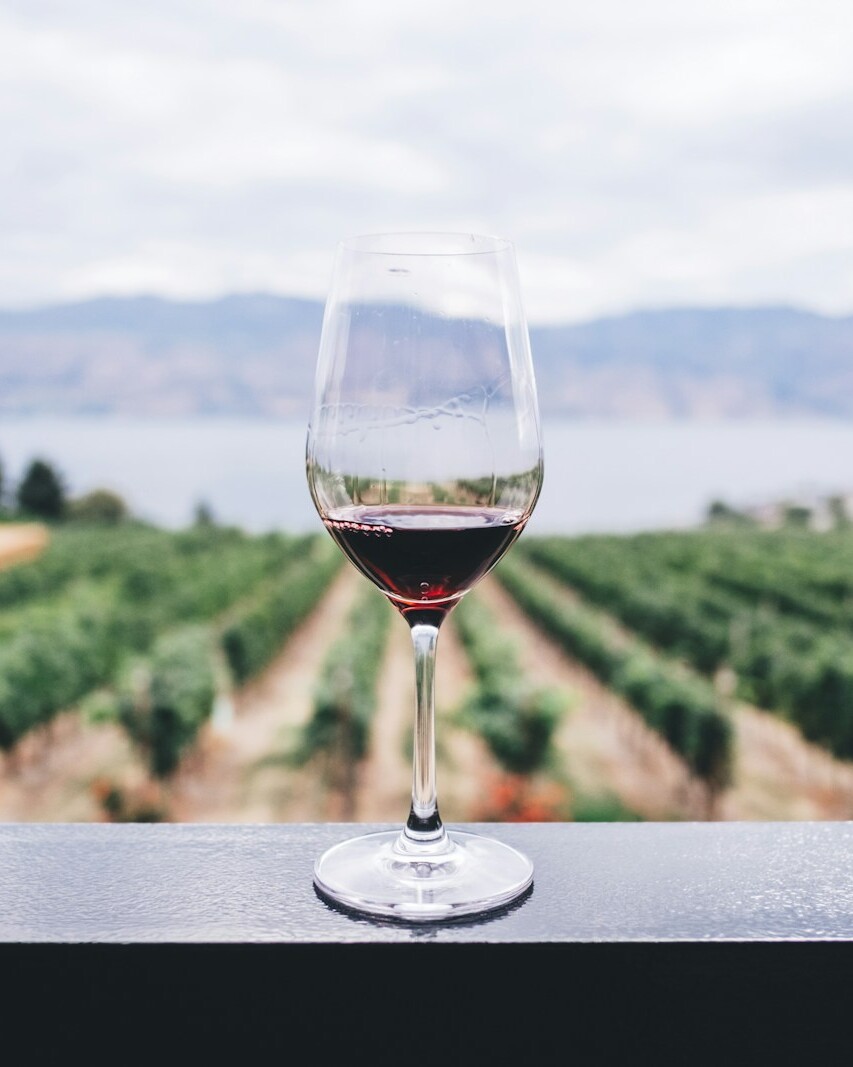
[Image: A lighter, fresher style of Malbec in a large glass | Alt: Modern Malbec wine with freshness and balance]
So, Is Malbec Still Cool?
The honest answer is that Malbec wine does not need to be cool to be good.
What it does need is curiosity from the drinker. The willingness to question assumptions, to explore beyond the obvious, and to recognise that familiarity is not the same as understanding.
Malbec has moved from fashionable to familiar. That is not a failure. It is a test.
Those who keep buying it out of habit will continue to find it pleasant and predictable. Those who look a little closer will discover that it still has plenty to say.
If you are interested in wines that reward restraint and balance over sheer impact, you might also enjoy our piece on restrained wines and why quieter bottles often last longer.
Malbec is not finished. We may simply need to start listening again.