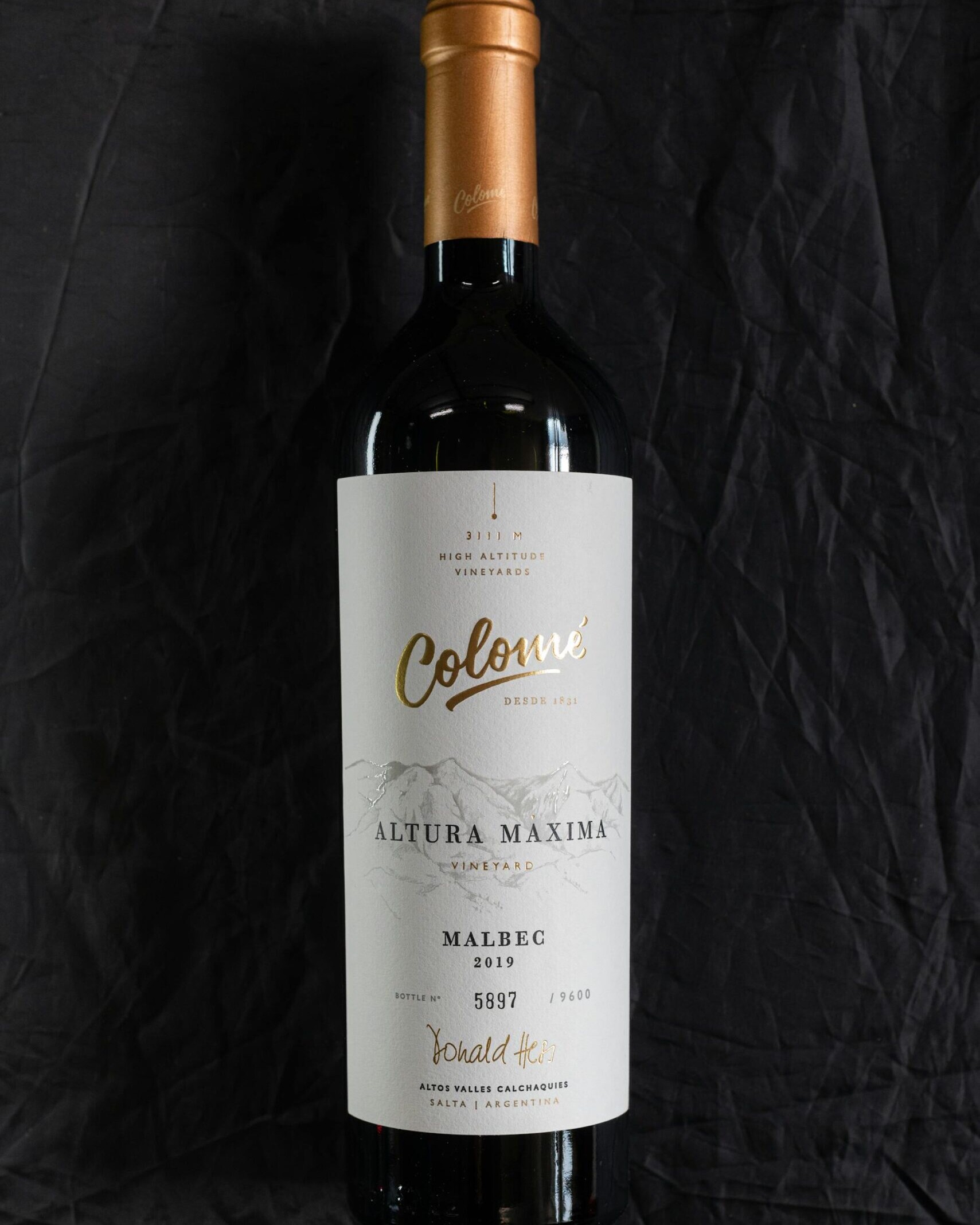

Winter is when red wine stops pretending to be polite.
In summer, red is often apologetic. Served slightly chilled, chosen carefully, explained defensively. In winter, it finally gets to be what it was always meant to be: grounding, warming, unapologetic.

There is a reason certain wines only really make sense once the temperature drops. Barolo tastes different when it is dark by four o’clock. Rioja suddenly feels less academic and more generous. Northern Rhône stops being “interesting” and starts being comforting.
Winter Changes How We Drink
Cold weather brings heavier food. Stews, slow roasts, anything involving time and patience. These dishes need structure, tannin, and acidity that can cut through fat rather than dance around it.
Big reds are not trying to dominate these meals. They are keeping up.
Architecture Matters More Than Charm
This is when wines with real backbone show their value. Nebbiolo’s tannin stops feeling aggressive and starts feeling purposeful. Tempranillo’s savoury edge feels grounding rather than stern. Syrah’s pepper and smoke suddenly feel appropriate.
It is also when shortcuts get exposed. Thin reds feel thinner. Over-oaked wines feel louder. Bottles built on sweetness alone lose their appeal quickly.
Winter Rewards Patience
Good winter reds do not shout. They unfold slowly. They are often better on the second glass than the first. They reward time, air, and attention.
And yes, this is the season when people who claim they “do not really drink red” quietly change their habits. Not because their taste has suddenly improved, but because context does the heavy lifting.
Winter gives red wine permission to be itself. Structured. Slightly austere. Deeply satisfying.
No apologies required.