Drinking wine slowly is rarely a deliberate decision.
It tends to arrive by accident, often in winter, when evenings stretch out, distractions thin, and the idea of rushing through a bottle feels slightly pointless. You pour a glass, sit down, and realise an hour later that it is still not empty.
That change of pace alters everything.
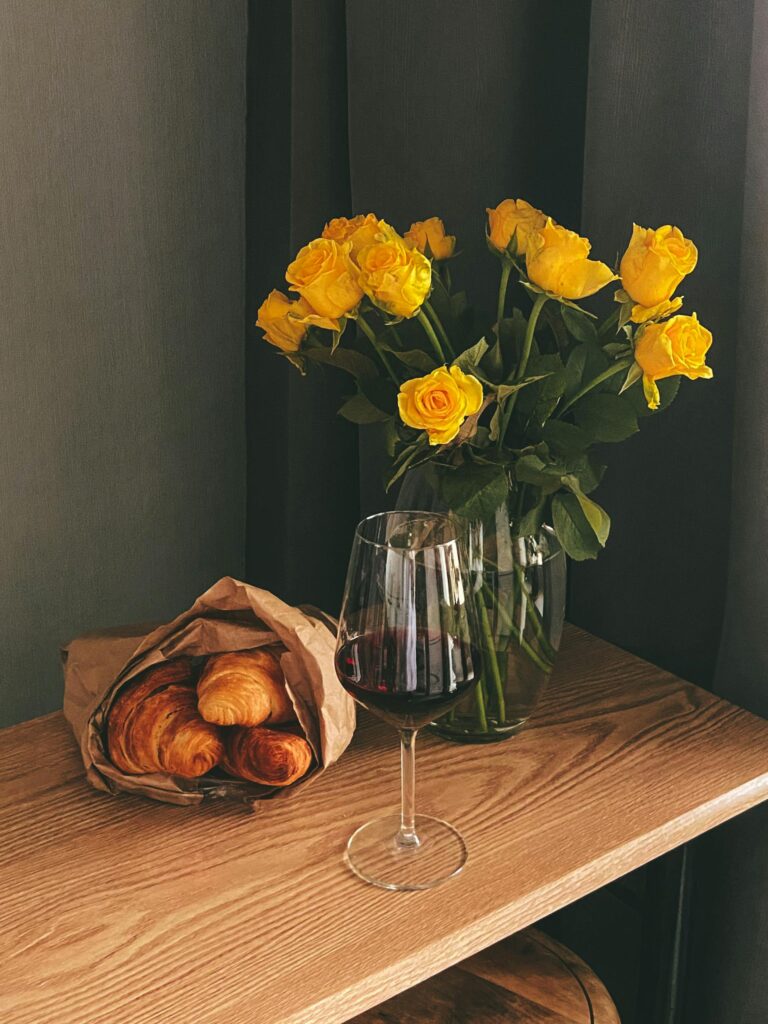
Winter Removes the Urgency
Summer encourages movement. Glasses are topped up, conversations overlap, and wine becomes part of the background. In winter, the opposite happens.
You are more likely to stay put. Food takes longer. Silence is less uncomfortable. Wine is no longer something you carry around with you. It becomes something you return to.
This is where drinking wine slowly stops being a virtue and starts being inevitable.
And once that happens, wines reveal things they never show when rushed.
Time in the Glass Matters More Than We Admit
Many wines are tasted too quickly to be understood properly.
When you slow down, you notice how a wine opens rather than performs. Aromatics shift. Texture changes. What felt tight at first can soften into balance. What seemed generous can start to feel heavy.
Drinking wine slowly exposes structure. It highlights acidity, tannin and alcohol in a way that fast drinking often disguises.
Some wines improve markedly over an hour. Others peak early and fade. Both outcomes are useful information.
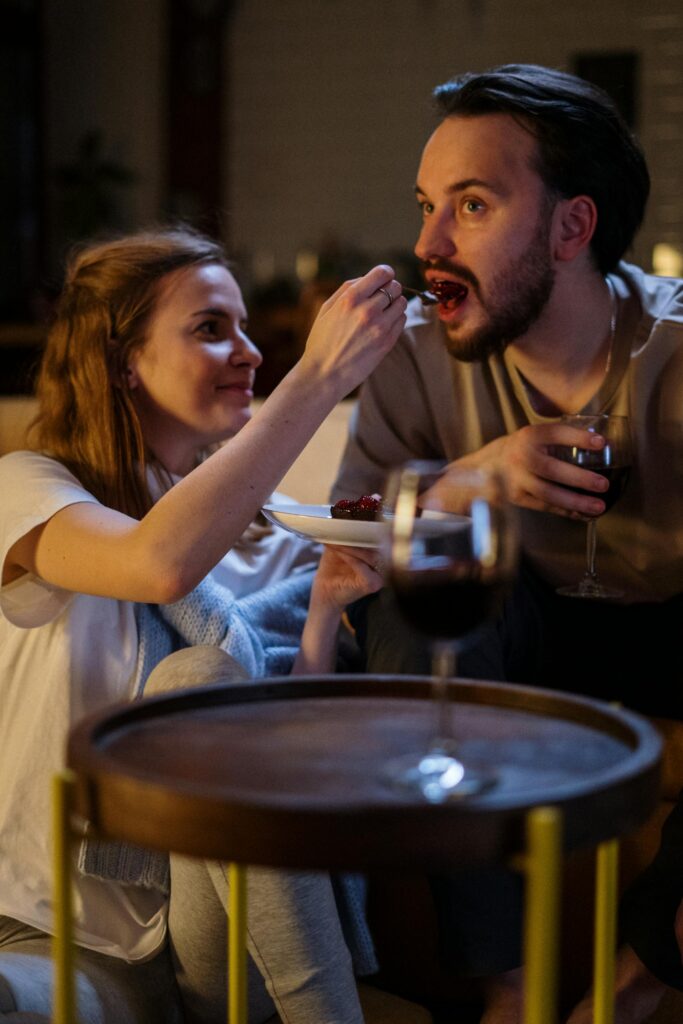
Slower Drinking Changes Buying Habits
Once you start drinking wine slowly, your purchasing decisions shift.
Showy bottles lose some of their appeal. Wines built on immediate impact often struggle to stay interesting when given time. Sweetness becomes more obvious. Oak feels heavier. Alcohol asserts itself.
In contrast, wines with tension and balance come into their own. Acidity keeps them alive. Structure gives them shape. Subtlety becomes a strength rather than a risk.
You begin to buy wines that can hold a conversation, not just make an entrance.
Winter Rewards Attention, Not Abundance
There is also a psychological shift that comes with drinking wine slowly.
Fewer bottles are opened. More attention is paid. A single glass becomes enough for an evening. The act of drinking feels intentional rather than habitual.
This is not about restraint for its own sake. It is about satisfaction. When wine is given time, it often gives more back.
Winter creates the conditions for this naturally. There is less pressure to entertain, less noise, and fewer reasons to rush.
Some Wines Demand to Be Rushed, Others Do Not
Drinking wine slowly also reveals which bottles were never designed for it.
Wines made for immediacy lose momentum quickly. They flatten out. Their appeal is front-loaded. By the end of the glass, there is little left to discover.
Wines made with patience behave differently. They evolve. They remain engaging. They do not punish your attention.
This distinction becomes obvious only when time is allowed.
Why Drinking Wine Slowly Sticks
Once you experience wine this way, it is difficult to go back.
You remember how certain bottles held your interest. How others fell away. You begin to associate quality not with impact, but with endurance.
This is why drinking wine slowly tends to change habits permanently. It recalibrates expectations.
If you enjoy wines that reward patience and balance, you may also appreciate our piece on restrained wines and why quieter bottles last longer.
Winter teaches you to slow down. Wine, it turns out, prefers it that way.