
English sparkling wine is at its most revealing once the celebrations are over.
December flatters almost everything. Bottles are opened with intent, glasses are refilled quickly, and context does a lot of the heavy lifting. In January and February, that safety net disappears. What remains is the wine itself.
This is the point where English sparkling either earns its place or quietly fades back into seasonal habit.
After Christmas, Structure Matters More Than Celebration
Once the noise dies down, the qualities that define good English sparkling wine become far more obvious.
High acidity is no longer something to be masked by occasion. It has to work with food. Firm mousse needs to feel integrated rather than aggressive. Lees character must add texture, not distraction.
This is where serious bottles separate themselves from those designed purely for festive appeal. Wines built around freshness and balance hold their shape. Those relying on novelty start to feel thin.
English sparkling wine has always been better suited to this quieter role than it is often given credit for. The climate demands restraint, and the best producers understand that tension is an asset, not a flaw.
English Sparkling Wine Is Better With Food Than People Admit
One of the persistent misconceptions around English sparkling wine is that it belongs in a flute, before dinner, and only on special occasions.
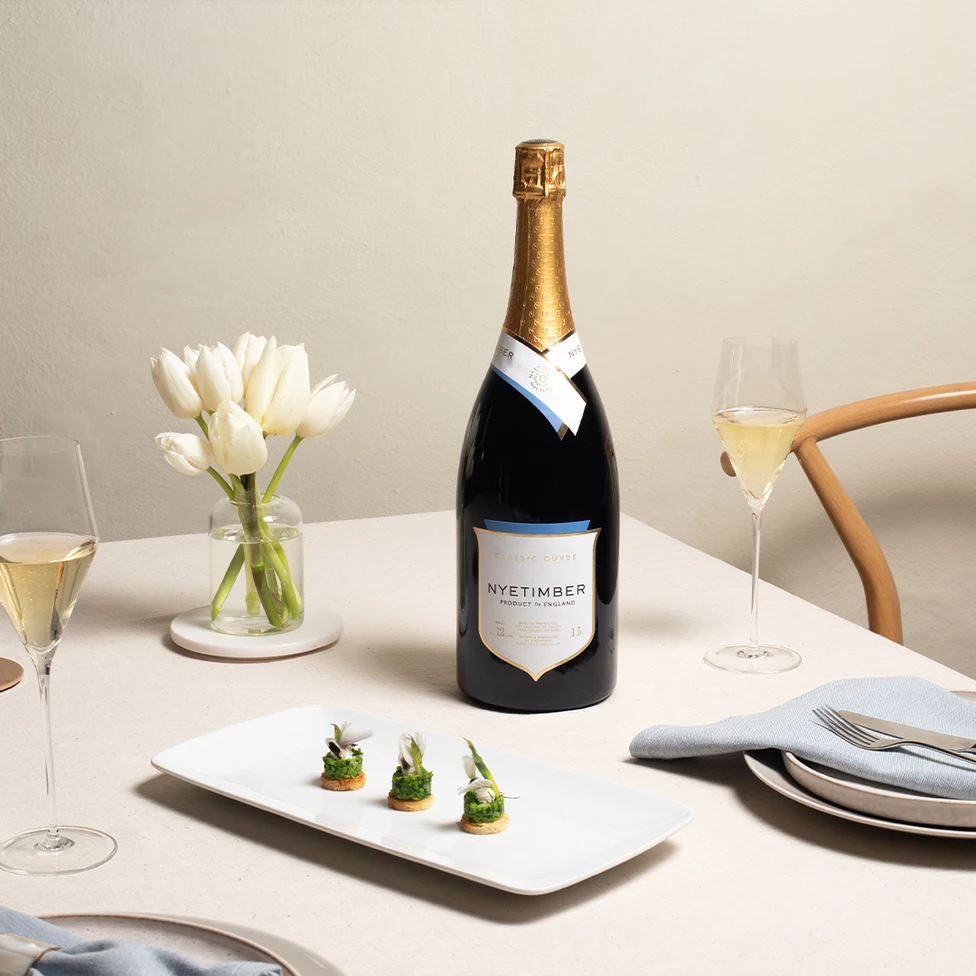
In reality, it performs far better at the table than in isolation. Smoked fish, roast chicken, even richer sauces all benefit from the wine’s acidity and precision. The lack of overt richness allows food to remain central.
In winter, this becomes especially valuable. Heavier dishes need lift rather than competition. English sparkling wine provides exactly that.
January Exposes the Difference Between Novelty and Intent
There is nothing wrong with celebratory wines. The problem arises when celebration is the only thing they offer.
After Christmas, wines that relied on charm or sweetness lose momentum quickly. Without the context of a party, they feel hollow. Acid becomes sharp. Texture feels lacking.
By contrast, English sparkling wines made with patience and intent start to shine. Longer lees ageing shows itself. Balance becomes apparent. The wine feels composed rather than performative.
This is also where comparisons with Champagne become more useful and less defensive. Not better or worse, just different. Brighter acidity, less overt richness, more linear structure.
Glassware and Pace Change the Experience
Winter also changes how people drink.
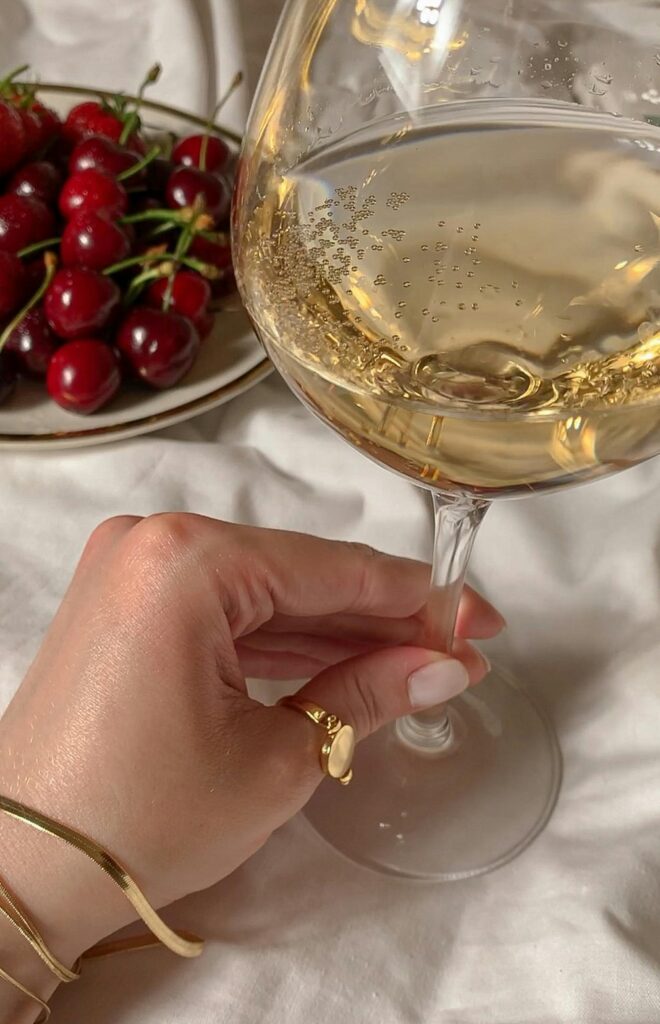
Flutes disappear. Proper glasses take their place. Bottles are opened for dinner rather than countdowns. Sips replace gulps.
English sparkling wine benefits enormously from this shift. Aromatics open up. Texture becomes clearer. The wine feels less like a statement and more like a companion.
It is no coincidence that many producers quietly prefer their wines to be enjoyed this way. The intention was never constant celebration. It was balance.
Why English Sparkling Wine Belongs in Winter
Drinking English sparkling wine in January is not about clinging to festivity. It is about recognising what the wine is actually good at.
Structure. Acidity. Restraint. Food compatibility.
These are winter traits. They suit slower evenings, more deliberate drinking, and meals that need clarity rather than excess.
When stripped of occasion, English sparkling wine reveals its true character. And for the best bottles, that character holds up remarkably well.
If you are interested in how seasonality affects drinking choices more broadly, you may also enjoy our piece on why winter is the best season for serious red wine.
Once the party is over, the quality speaks for itself.